
Best Engine Oil for Fuel Economy: Fuel is becoming expensive every day. Although some motorists consider driving behavior or even tire inflation, they forget the easiest way to improve fuel efficiency, which is choosing the right engine oil. Engine oils are created to lower friction, protect engine parts, and increase engine efficiency.
The right oil will increase fuel efficiency, increase engine longevity, and reduce engine maintenance expenses. The following guide will help you to understand everything you should consider when choosing the right engine oil.
What Is Engine Oil?
Engine oil acts as a lubricant for the engine, decreasing friction and taking away heat, as well as preventing corrosion and keeping the engine components clean. In the absence of appropriate lubrication, the engine will work harder and thus use more fuel. Best Engine Oil for Fuel Economy.
Does Engine Oil Affect Fuel Economy?
Yes. Use of proper engine oil may help save fuel due to the reduced friction in the engine.
- Some advantages are:
- Less engine resistance
- Smother engine running
- Decreased fuel usage
- Better engine protection
- Long engine life
Improved engine performance during cold weather. Small savings in the fuel economy may add up over time
.
How Engine Oil Improves Fuel Economy
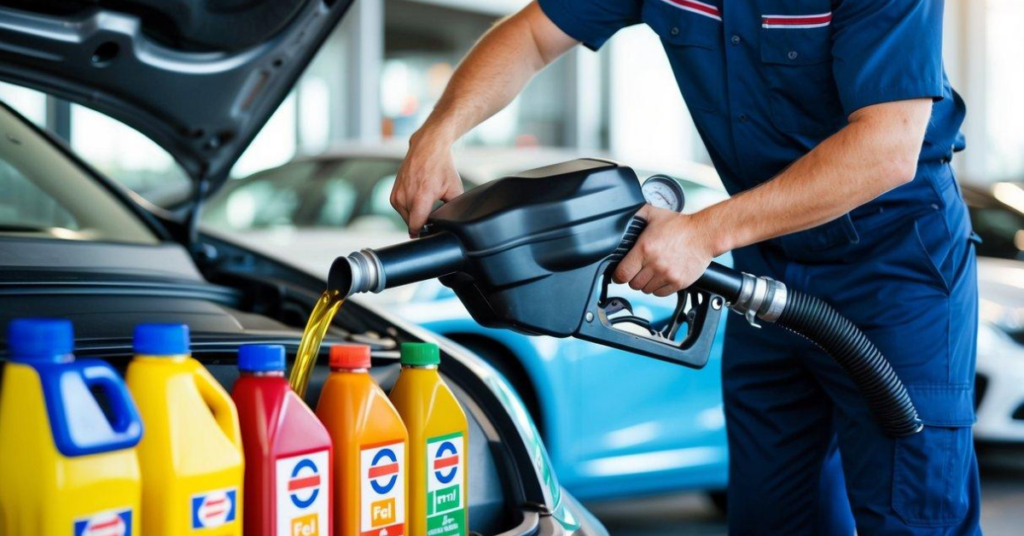
1. Reduces Friction
A film is formed by synthetic oil that enables engine parts to move freely.
Low friction implies:
- Low energy loss
- Low fuel usage
- High engine efficiency
2. Faster Cold Starts
Engines run on cold start-up use more fuel.
Low viscosity synthetic oils spread quickly during start-up, causing less wear and faster achievement of optimal operating conditions
3. Keeps the Engine Clean
High-grade oils keep an engine clean and devoid of sludge. Cleanliness in an engine ensures efficiency in fuel combustion.
4. Maintains Proper Lubrication
Oil breakdown renders the oil ineffective as an engine lubricant. Fresh oil ensures effective lubrication in an engine.
Best Engine Oil Viscosity for Fuel Economy
Viscosity means the flow ability of the oil.
Usually, oils that have low viscosities provide better fuel consumption since they lower internal friction.
Common viscosities are as follows:
| Oil Viscosity | Fuel Economy | Suitable for |
| 0W-16 | Excellent | Modern fuel-efficient cars |
0W-20 | Excellent | Modern fuel-efficient cars |
| 5W-20 | Very good | Normal driving |
| 5W-30 | Good | Variable driving conditions |
| 10W-30 | Average | Old cars |
Remember: Always use the recommended viscosity according to the owner’s manual of your
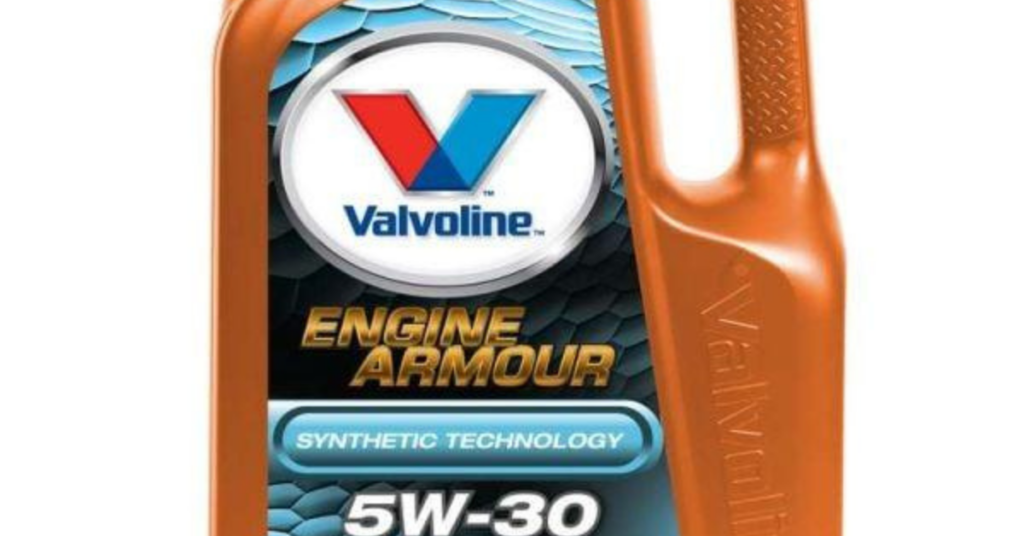
Synthetic vs Conventional Engine OilFeature
| Feature | Synthetic Oil | Traditional Oil |
| Fuel Consumption | Excellent | Average |
| Engine Lubrication | Excellent | Good |
| Starting in Cold Weather | Excellent | Fair |
| Engine Cleansing | Excellent | Good |
Oil Change Interval | Longer | shorter |
| Cost | High | Low |
The use of synthetic oil is often better when seeking improved fuel consumption.
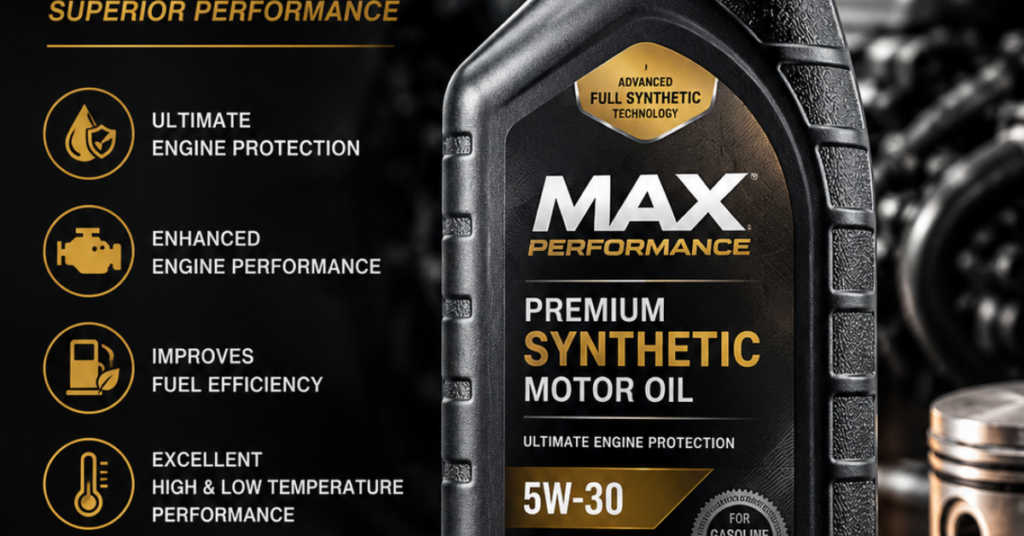
Top Engine Oil Brands for Better Fuel Economy
Most reliable brands are:
- Mobil 1
- Castrol EDGE
- Pennzoil Platinum
- Valvoline Advanced Full Synthetic
- Shell Helix Ultra
- Liqui Moly
- TotalEnergies Quartz
- Motul
- Amsoil
Ensure that you always select the oil that meets the requirements of your car manufacturer.
How to Choose the Right Engine Oil
Take into account the following issues: Best Engine Oil for Fuel Economy.
Vehicle Manufacturer’s recommendation
Adhere to recommended viscosity and performance specifications.
Climate
In cold climate conditions, low viscosity oils should be preferred.
Vehicle’s age
Different viscosity oil might be required for older vehicles.
Driving conditions
Depending on driving conditions, premium synthetic oil could be used.
Signs You Need an Oil Change
The engine makes more noise
- Oil is dark or dirty
- Oil warning light
- Decreased fuel efficiency
- Oil-burning smell
- Poor engine performance
Not changing the oil regularly increases the fuel consumption and engine wear.
Other Ways to Improve Fuel Economy

Engine oil works best when used alongside proper maintenance.
Tire Pressure
Inflated tires have reduced resistance while rolling.
Replace Clogged Air Filters
Unobstructed air flow will help burn fuel better.
Smooth Driving
Do not brake and accelerate harshly.
Reduce Unnecessary Weight
Reduced weight will mean reduced fuel usage.
Wheel Alignment
Incorrect alignment will add resistance.
Maintenance Checks
Maintenance ensures an efficient fuel-burning engine.
Common Mistakes
Don’t make these mistakes:
- Using an improper viscosity of the oil
- Not changing the oil on time
- Mixing oils
- Disregarding manufacturers’ instructions
- Using cheap oil
- Overfilling the engine
Conclusion
Choosing the correct is one of the easiest ways to improve your vehicle’s efficiency. High-quality synthetic oil, the correct viscosity, and regular maintenance reduce engine friction, improve performance, and help save fuel over time.
Combine the Best Engine Oil for Fuel Economy with proper tire pressure, smooth driving habits, and scheduled maintenance to maximize fuel savings and extend the life of your engine.
Frequently Asked Questions
Does synthetic oil save fuel economy?
Yes. Synthetic oil decreases friction and makes the engine run more efficiently.
What viscosity of oil would give the maximum fuel economy?
The viscosity 0W-16 and 0W-20 offer better fuel economy as long as it is recommended by the car manufacturer.
Could contaminated engine oil lower fuel economy?
Yes. ContaminatedBest Engine Oil for Fuel Economy creates more friction in the engine and thus makes it run harder.
Is it worth purchasing high-quality oil for an engine?
The higher the quality of synthetic oil, the more efficient the engine will be.