
In case one has sensitive skin, choosing the right metal to make jewelry with can make the difference between enjoying one’s favorite accessories without any problems, such as itching, reddening, or irritation. There are two types of metals that people usually use for jewelry making: gold vs sterling silver.
In conclusion, either gold or Sterling Silver is suitable, but the right choice depends on the type of gold and the quality of sterling silver. In this guide, we will compare gold vs sterling silver in detail so you can choose confidently and skin-friendly.
Why Some Jewelry Causes Skin Irritation
It is important to know about the reasons for allergies to jewelry before making any comparison between the two metals.
Nickel is the metal that causes the most allergies. Nickel is the metal that is commonly found in cheap jewelry. Exposure to nickel in combination with sweat and moisture may result in:
- Itching
- Redness
- Swelling
- A rash
- Dry or cracked skin
- gold vs sterling silver for Sensitive Skin
Some other metals, like cobalt and chromium, may also cause allergy reactions, but nickel is the main one.
What Is Sterling Silver?
Sterling Silver is an alloy of a precious metal containing:
- 92.5% silver
- 7.5% other metals (generally copper)
This explains why Sterling Silver has “925” or “Sterling” marked on it.
Silver is too soft to be used in everyday jewelry, so copper is mixed in with it.
Is Sterling Silver Hypoallergenic?
It should be noted that high-quality nickel-free sterling silver is usually hypoallergenic and suitable for people with delicate skin.
Nevertheless, there can be cases when poor-quality sterling silver might still have some nickel content that may irritate delicate skin.
What Is Gold Jewelry Made Of?
Pure gold (24K) is very soft, so it is usually mixed with other metals to create jewelry.
Common gold purities include:
| Gold Type | Pure Gold Content |
| 24K | 99.9% |
| 18K | 75% |
| 14k | 58% |
| 10K | 41.7% |
The remaining amount consists of alloying metals, including:
- Copper
- Silver
- Zinc
- Palladium
Nickel (present in some white gold alloys)
With the decrease in karatage, the number of alloying metals increases.
Gold vs Sterling Silver for Sensitive Skin
Here’s the most important comparison for people with sensitive skin.
| Feature | Gold | Sterling Silver |
| Hypoallergenic potential | Excellent (18K+ nickel-free) | Excellent if nickel-free |
| Risk of nickel exposure | Possible in white gold | Possible in low-quality silver |
| Everyday durability | Very good | Very good |
| Tarnish resistance | Excellent | Moderate |
| Maintenance | Low | Regular polishing needed |
| Cost | Higher | More affordable |
Quick Verdict
- Best for general use: 18K or 24K gold
- Best in value for sensitive skin: Nickel-free sterling silver
- Best for daily and economical jewelry: Sterling silver Cause
- Best with little need for cleaning: Gold
- Can Sterling Silver Jewelry Cause Allergies? Understanding Alloys and Nickel Regulations
Which Type of Gold Is Safest for Sensitive Skin?
Not all gold jewelry is created equal when it comes to the skin.
24K Gold
- Pure gold
- Very hypoallergenic
- Does not cause allergic reactions
- Too soft for everyday wear
18K Gold
- 24 carats
- Ideal blend of purity and hardness
- Does not tend to irritate sensitive skin
- Best option for everyone
14K Gold
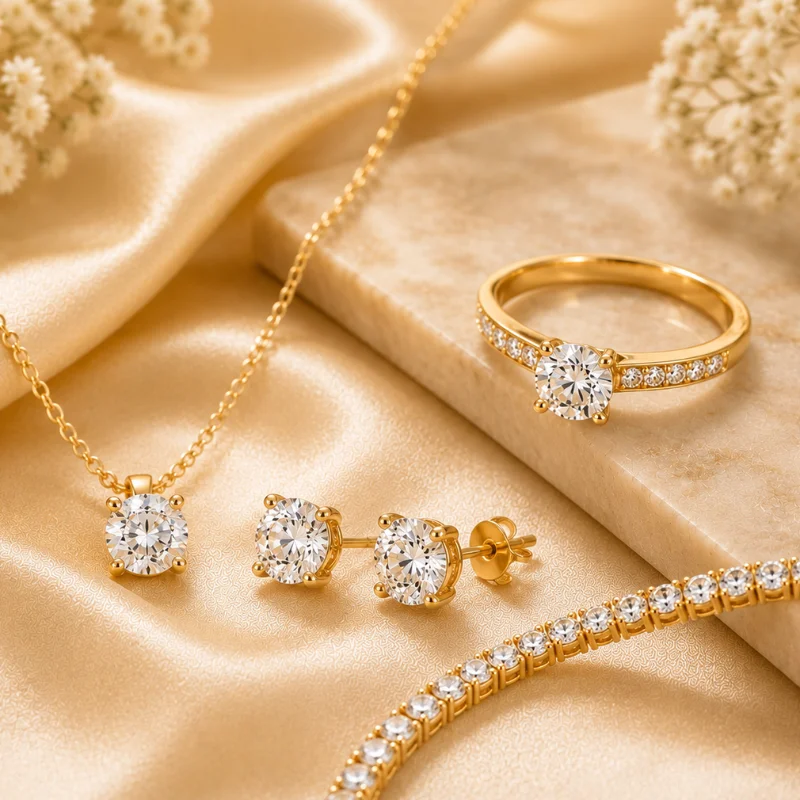
- More resilient than 18K
- More alloyed metals in its make-up
- Generally harmless, but it depends on the alloy composition
White Gold
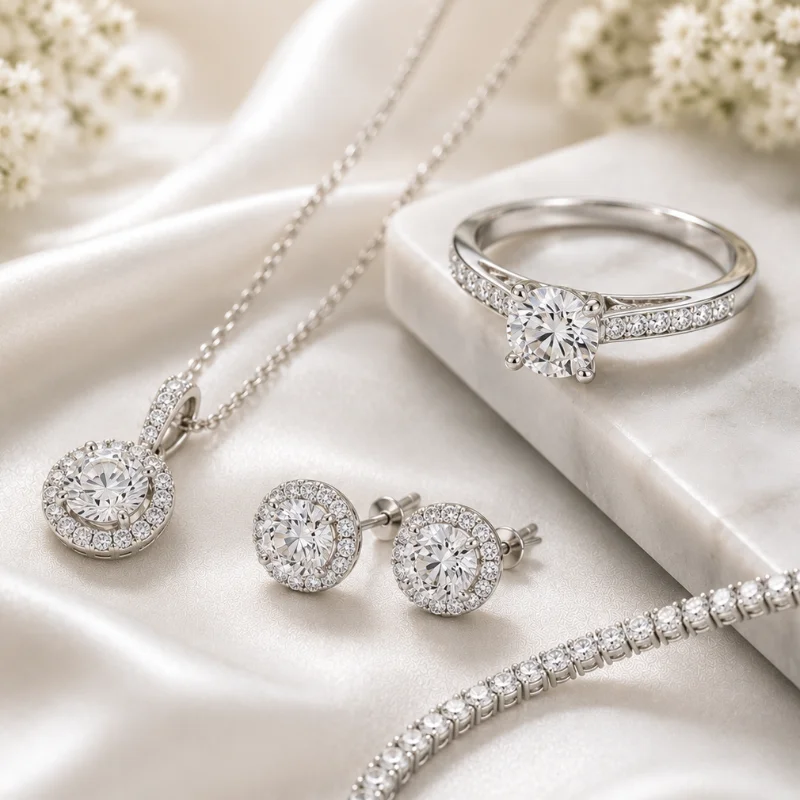
This is where many people who suffer from sensitive skin may face some difficulties.
Sometimes white gold can contain nickel, which may provoke an allergic reaction. Jewelers usually produce white gold, which contains palladium as it is less allergenic. It is important to check whether your white gold does not contain nickel.
Is Sterling Silver Better Than Gold for Sensitive Skin?
Of course, for most people, this is especially true if there’s no nickel in the sterling silver.
Why?
- Because sterling silver typically contains copper, not nickel.
- True allergic reactions to copper are uncommon.
- High-quality sterling silver is among the top metals recommended for people with sensitive skin.
But if you suffer from allergies to multiple metals, then 18K or greater gold could be your best bet.
Can Sterling Silver Turn Your Skin Green?
This is a typical worry.
True Sterling Silver: Turn Your Skin Green? permanently. The temporary green color of the skin is mostly due to:
Reaction between copper and sweat
If a “silver” ring always turns your skin green, it is not true sterling silver.
- Use of lotions or perfumes
- High humidity
- Taking certain medicines
- It is safe and washable.
What About Tarnish?
Gold
- It will not corrode or degrade under normal use.
- It remains unchanged with minimal upkeep.
Sterling Silver
It will naturally develop a patina due to exposure to air and moisture.
Patina is a chemical reaction on the surface; it is not rusting
Best Choice for Earrings
It can be cleaned off easily using a polishing cloth.
A patina does not indicate that the silver is triggering an allergic reaction
Choose Gold If:
- Your ears react to most metals.
- You wear earrings for long periods.
- You want the lowest-maintenance option.
- gold vs sterling silver for Sensitive Skin
Choose Sterling Silver If:
- You wear your earrings throughout your life.
- You need something that will last you a long time.
- gold vs sterling silver for Sensitive Skin
But for very sensitive ears, you should try 18K gold posts or titanium.
Best Choice for Rings
Rings are subjected to sweat, soaps, and friction.
Gold Rings
- Better resistance to chemicals and moisture.
- Ideal for daily wear.
Sterling Silver Rings
- Comfortable and inexpensive.
- Polishing may be required from time to time.
- Excellent if no nickel is present in the metal.
For people who regularly wash their hands, gold jewelry remains new-looking with less care.
How to Tell If Jewelry Is Safe for Sensitive Skin
Before buying, check for these signs.
For Sterling Silver
- “925” mark
- “Sterling” mark
- “Nickel-free” mark
- Information about the transparency of the material
For Gold
- “18k” or “14k” mark
- Nickel-free white gold (white gold)
- Reputable jeweler
- Alloy information
Don’t buy jewelry marked as follows:
- “Gold tone”
- “Silver tone”
- “Fashion jewelry”
- “Plated metal”
They are
Common Mistakes Sensitive-Skin Shoppers Make
Assumption That All Gold Is Hypoallergenic
Lower karat gold has a higher proportion of other metals, which could react.
Assumption That All Sterling Silver is Free of Nickel
Ensure that there is no nickel present.
When Buying Cheap Jewelry Online
Low-cost jewelry will be either plated or made from unknown materials.
When Wearing New Jewelry Without Cleaning
Residue left by manufacturers could irritate your skin. Clean your jewelry with a mild soap solution first.
Frequently Asked Questions
Is sterling silver hypoallergenic?
Yes, genuine 925 sterling silver that is free from nickel is hypoallergenic.
Is gold more hypoallergenic than sterling silver?
Gold is going to be the most hypoallergenic metal for those suffering from metal allergy if it is high karat (18K+) and is nickel-free.
Does 14K gold irritate skin?
It can irritate if there is nickel in it or if you are allergic to some other metals included in it.
What is better for everyday wear?
Both metals are quite durable; however, gold is more convenient to wear as it never becomes tarnished.
What is the most comfortable and affordable metal?
Sterling silver is one of the best metal choices because of comfort, durability, and affordable price.